By Bianca · 15 February 2025
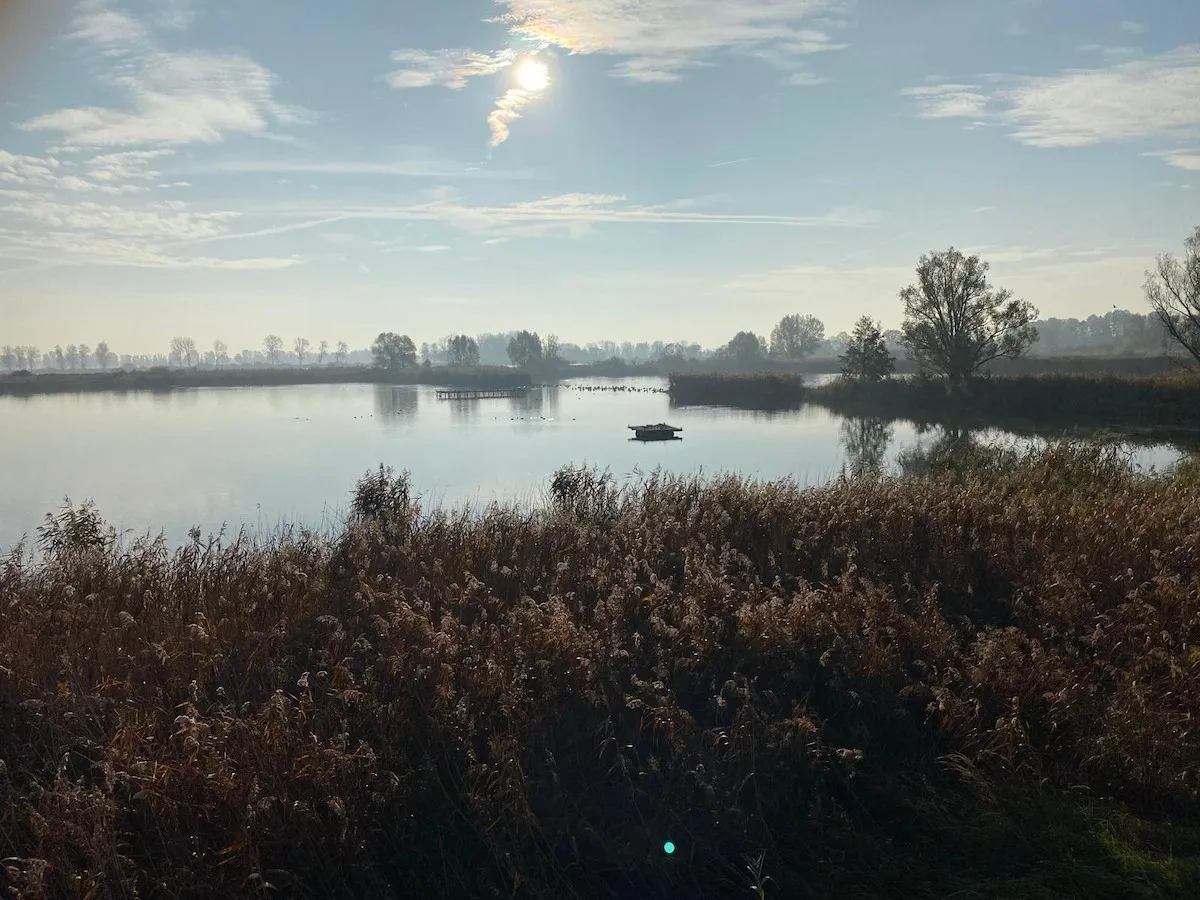
Linum lies on the edge of the fascinating nature reserve and bird sanctuary ‘Oberes Rhinluch’, a region of extraordinary beauty and a habitat of rich biodiversity. The picturesque natural landscapes are characterised by dense riparian vegetation along the extensive wetlands, offering a haven for waterbirds. Linum is widely renowned for its diverse birdlife.
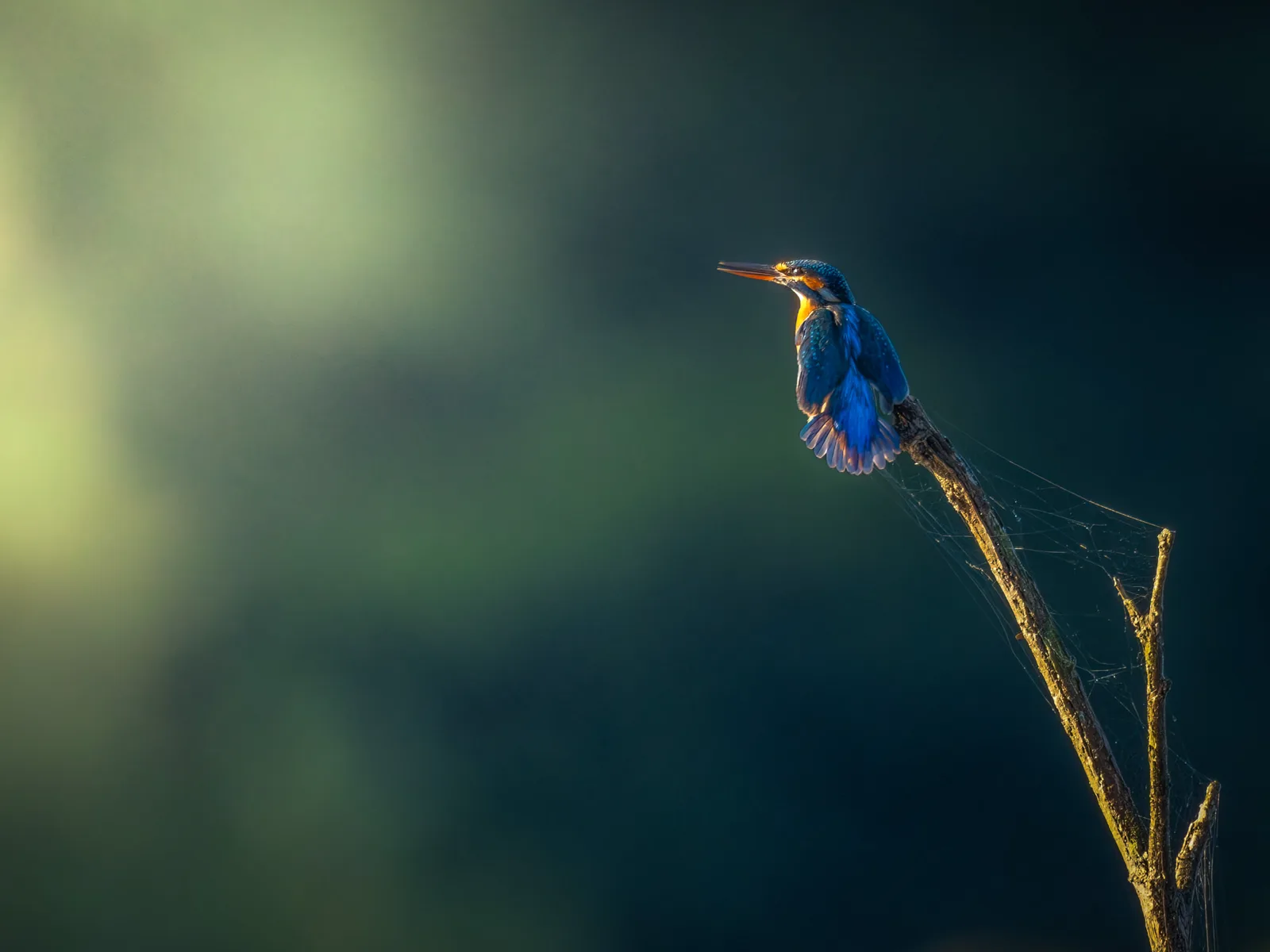
In the meadows and fields, birdwatchers can discover a wealth of species, including geese, storks, and birds of prey. Particularly in spring and autumn, tens of thousands of cranes and wild geese gather in the region on their journey between their breeding and wintering grounds. Some cranes have even made their home here. Birds such as herons and ducks find ideal breeding and feeding conditions. The village is known as ‘Storchendorf Linum’ (stork village Linum), as ten pairs of white storks breed here. Rare bird species such as the bearded reedling (Bartmeise), penduline tit (Beutelmeise), and even the bluethroat (Blaukehlchen) can be spotted with a little luck. Even the majestic white-tailed eagle (Seeadler), a symbol of untouched nature, makes its home here and enriches the region’s ecosystem.
Alongside its birdlife, the surroundings of Linum also provide a habitat for a multitude of other wildlife, including many amphibians. The pond of the European fire-bellied toad (Rotbauchunke), with its drawn-out calls, can be heard far and wide in early summer. With a little luck, the roe deer family resident on the grounds can be observed up close in the morning or evening.
In the wetlands of the Oberes Rhinluch, plant species that have become rare flourish, such as marsh marigold (Sumpfdotterblume), ragged robin (Kuckuckslichtnelke), and hemp agrimony (Wasserdost). This vegetation forms the foundation of a complex ecosystem that offers a variety of habitats for endangered wildlife.
The natural diversity of the Oberes Rhinluch makes it a vital sanctuary for many threatened species and underlines the importance of protecting and preserving this crucial ecosystem. By safeguarding these valuable habitats, we can ensure that the natural richness of the Oberes Rhinluch is preserved for generations to come.
Further information on the
Oberes Rhinluch Nature Reserve
can be read here.