By Bianca · 20 October 2026
The light is still pale, a delicate mist hanging over the meadows. At the edge of the path, a photographer waits, camera trained on the open landscape. Perhaps a Rotmilan (red kite) will circle overhead in a moment. Perhaps a Silberreiher (great egret) will touch down in the shallows. Perhaps, for a moment, all will simply remain still.
Linum is renowned for its storks and the great autumn crane migration. Yet for bird photography, the landscape has so much more to offer – in every season, and often well away from the scenes for which the village has become famous.
Why Linum Is Exceptional for Bird Photography
The Linum ponds (Linumer Teiche), vast wet meadows, reedbeds, ditches, and open fields lie side by side in close proximity. These diverse habitats draw waterbirds, meadow birds, reed dwellers, and birds of prey alike.
For photographers, this creates a distinctive tapestry: birds in flight across expansive horizons, tranquil scenes along the water's edge, and smaller species that often betray their presence only by their calls deep within the reeds.
Added to this is the remarkable light of the Upper Rhinluch. Morning mist, wide open skies, and the low evening sun create compositions where not only the bird, but the surrounding landscape tells a story.
Which Birds Can You Photograph in Linum?
Which species present themselves depends on the season, the weather, and a little luck. A sighting can never be guaranteed – and that is precisely what makes bird photography so compelling.
Among the characteristic species around Linum are:
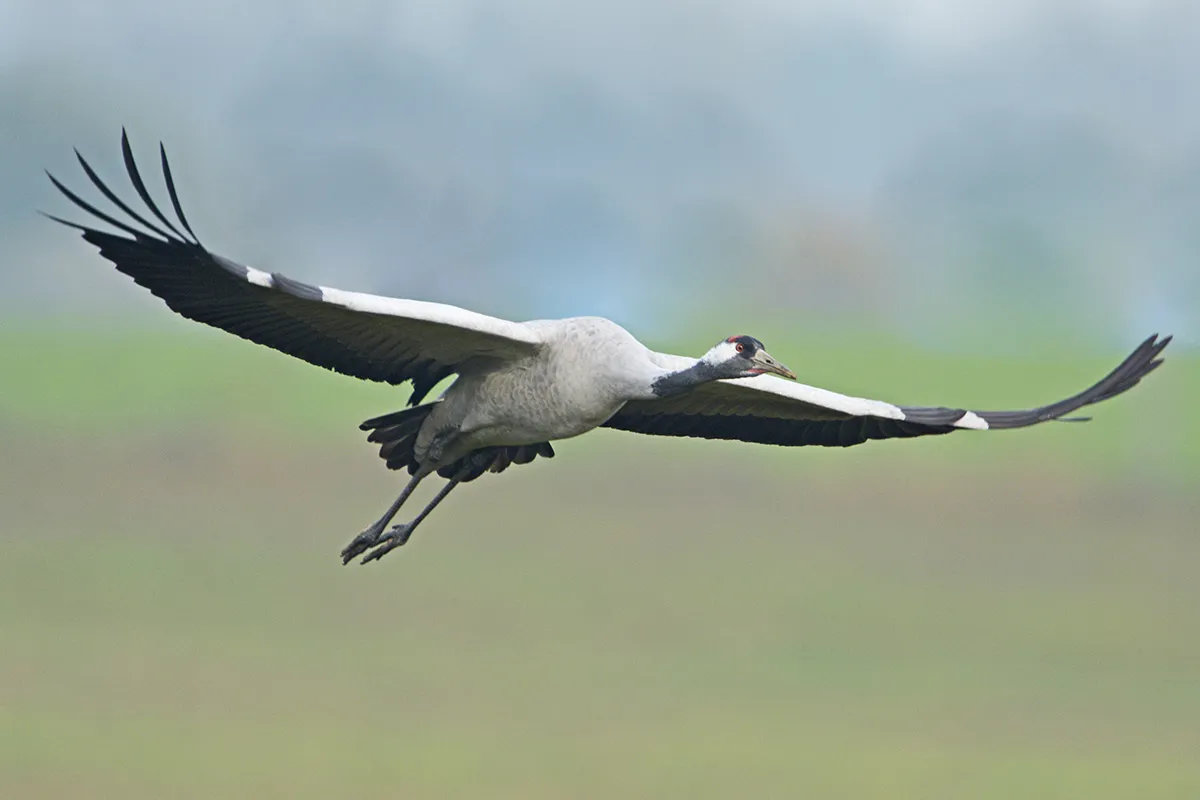
- Common cranes and wild geese, especially during the autumn migration
- Silberreiher (great egrets) and grey herons across meadows, along ditches, and in shallow waters
- White storks, an integral part of village life throughout spring and summer
- Rotmilan (red kites), quartering fields and meadows in search of prey
- House martins, darting through the village and skimming open land in summer
- Eurasian penduline tits (Beutelmeisen) and bearded reedlings (Bartmeisen) in the extensive reedbeds
- Great reed warblers and other warbler species, often far easier to hear than to see
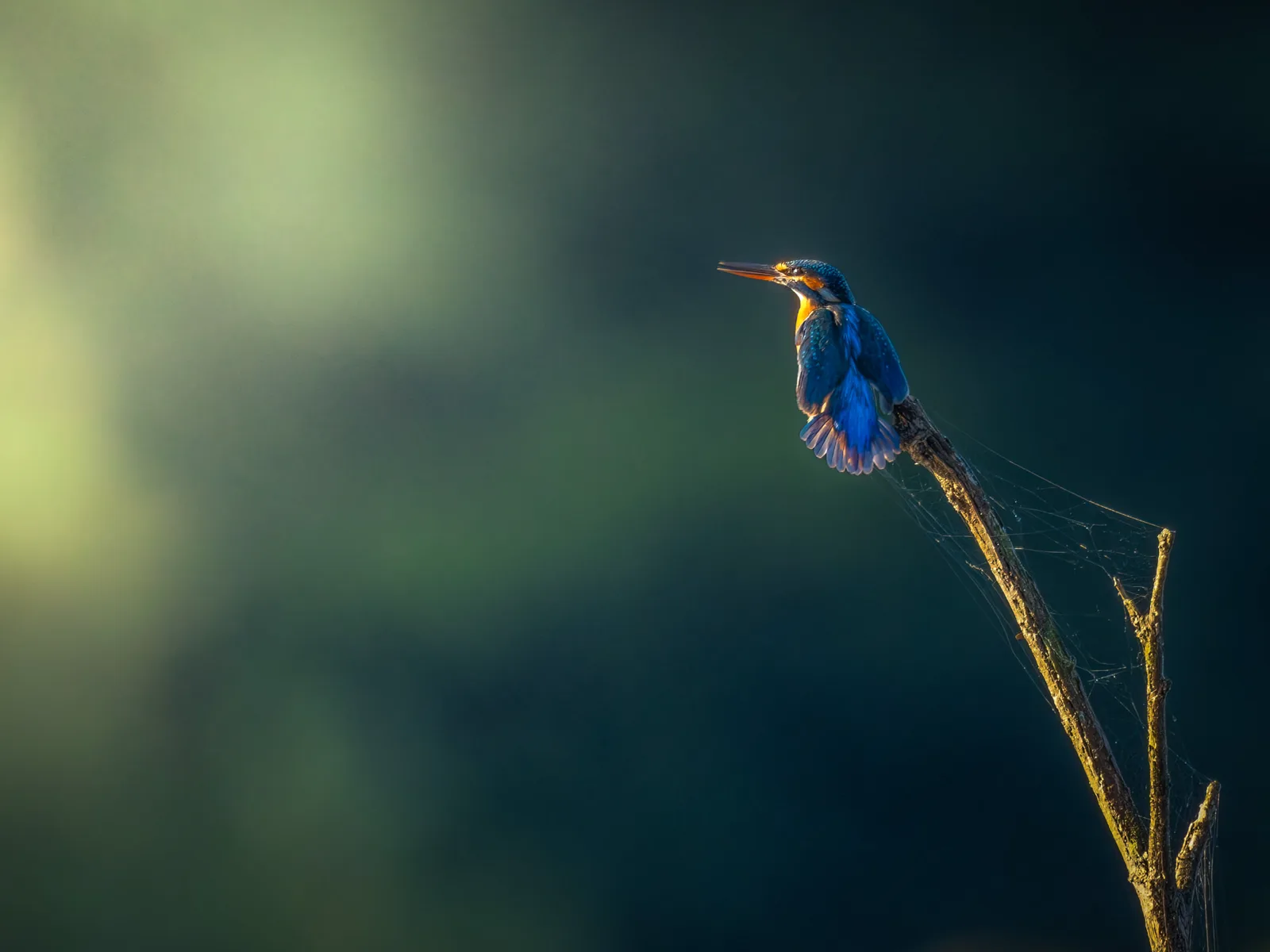
- Eisvogel (kingfishers), appearing with a touch of luck along the ponds whilst fishing
- Marsh harriers, as well as the occasional osprey and white-tailed eagle over the pond complex
- Great crested, red-necked, and little grebes, ducks, terns, and various waders
The penduline tit (Beutelmeise) is a particularly charming subject. Its masterfully woven, pouch-like nests hang from delicate twigs near the water. Anyone fortunate enough to spot one should maintain a generous distance and under no circumstances attempt to approach a potential nesting site.
Storchenschmiede and Observation Towers
Located directly within the village is the NABU nature conservation centre, Storchenschmiede Linum. Here, you can discover more about the birdlife of the Rhinluch and the unique ecology of the Linum ponds. Depending on the season, guided tours and events are also organised. It is advisable to check current dates and opening hours directly with the Storchenschmiede prior to your visit.
Within the pond area itself, several observation towers and small bird hides are available. From these vantage points, you can look out across reedbeds, water, and open meadows without causing any disturbance to the wildlife.
These sheltered positions are invaluable for bird photography: you can wait patiently, remain on designated paths, and still enjoy an excellent view across varied habitats.
The closest bird is not always the best subject. Often, the most atmospheric photographs are captured precisely from these observation points, where birds, water, reeds, and the vast Linum sky come together in harmony.
Every Season Has Its Subjects
Spring: Return and Renewal
In spring, migratory birds return. Storks reoccupy their rooftop eyries, and the meadows come alive once more with song and territorial calls. Amongst the reeds, reed warblers and, with a little fortune, penduline or bearded tits can be spotted.
This is a time that calls for particular care: courtship, nest-building, and breeding must never be compromised for the sake of a photograph.
Summer: Swallows, Storks, and Open Country
In summer, house martins swoop through the village, red kites (Rotmilan) glide over the fields, and numerous waterfowl are active across the ponds.
The light is at its finest in the early morning and late evening, when colours are softer and the wildlife is often far more active than in the midday heat.
Autumn: Movement in the Skies
In autumn, the landscape undergoes a dramatic shift. Cranes and wild geese pass over the Rhinluch in their thousands, Silberreiher stand bright against darkening meadows, and exposed mudflats draw wading birds.
If you are visiting specifically for the cranes, you will find comprehensive guidance on the season, viewing locations, and field etiquette in our journal article “Watching Cranes in Linum”.
Winter: Reeds, Stillness, and Great Egrets
Bringing a camera in winter is equally rewarding. Golden reeds, ice on the ponds, soft mist, and lone Silberreiher offer pared-back, tranquil compositions.
Linum now reveals its quieter, more meditative side – and often, that stillness yields the most powerful images of all.
The Best Light: Rising Early or Staying Late
For bird photography, being out before sunrise is well worth the early start. In the first light, delicate veils of mist often linger over the meadows. Contours soften, the sky gently opens up, and what began as a documentary record of a bird can transform into an evocative landscape portrait.
In the evening, the atmosphere shifts once again. Birds return to their roosting sites, while low, warm light washes across the fields and reedbeds.
Allow yourself plenty of time; the finest photographs are rarely made in haste.
Recommended Equipment
A long focal length allows you to photograph birds from a respectful distance, whilst a pair of binoculars makes spotting and observing them infinitely easier.
Other useful items include:
- A telephoto lens, ideally from 300 millimetres upwards
- A lightweight tripod or monopod
- Spare batteries and ample memory card capacity
- Weatherproof clothing in understated, natural colours
- Protection for camera and lens in damp or misty conditions
For birds in flight, you will need a fast shutter speed and continuous autofocus. Yet not every rewarding image demands heavy professional kit. With a smaller camera or even a smartphone, one can beautifully capture broad flocks, silhouettes, and striking atmospheric light.
Respect Comes Before the Photograph
The Linum ponds form part of a protected and sensitive nature reserve. Large sections of the area are strictly off-limits to visitors.
Please remain on marked trails and make use of the existing observation towers and hides. They offer superb views into the pond landscape without intruding upon the birds' sanctuaries.
For ethical bird photography, the following principles apply:
- Maintain your distance and never pursue a bird
- Do not leave designated paths or viewing platforms
- Never seek out or publish the locations of nests and breeding sites
- Refrain from using bird call recordings to lure wildlife
- Keep dogs on a lead in sensitive nature areas
- Choose to forego a photograph rather than cause distress to a bird
Patience is, in any case, by far the superior approach in Linum. Those who wait quietly will almost invariably witness more than those who chase after a shot.
Why Staying for Several Days Is Worthwhile
Bird photography hinges upon light, weather, and animal behaviour. On a single afternoon, everything may align – or nothing at all.
A stay of four nights affords you the luxury of experiencing different times of day, changing weather patterns, and those spontaneous encounters that so often produce the most memorable images.
From Landloft Linum, your view opens directly onto the wide horizons of the nature reserve. In the morning, you can step out at first light with your camera. After a brisk day in the field, a sauna, an open fire, and a restful evening await you in the converted barn.
When the light softens and quiet settles across the meadows, a truly magical time for bird photography begins in Linum.
In this way, a photography trip becomes a genuine retreat: observing, waiting, being outdoors – and allowing nature to move to its own rhythm.
The photographs in this article and our gallery are by two photographers who know Linum intimately. Our warm thanks go to Detlef Hase and Roland Kinzel for sharing their wonderful work. You will find further bird and nature photographs from Linum in our gallery at the close of the journal overview.
Discover Landloft Linum as your home base for bird photography in Brandenburg.